Trending

The trays come out and something in the room changes. Conversations taper off, songbooks close, and a space that was full of greeting a minute ago goes quiet enough to hear the furnace. In a chapel, where the same forty faces gather most weeks, communion carries a particular weight. It is not a spectacle, and it does not need to be. But it rewards care. What follows is a plain look at what the table means, how often chapels tend to gather around it, and the unglamorous work of preparing both the elements and the people.
At its center, communion is remembrance. The words are familiar: do this in remembrance of me. That is not the memory of a fact stored away, but of a story re-entered. A chapel that takes the bread and cup is doing again what the first believers did, and doing it in the presence of the one who gave it.
Paul adds a second layer. In 1 Corinthians he writes that whenever we eat and drink, we proclaim the Lord's death until he comes. So the table faces two directions at once. It looks back to a cross and forward to a return. Between those two points sits the ordinary Tuesday or Sunday when your small congregation gathers.
There is also a horizontal dimension that chapels often feel more than larger churches do. One loaf, many members. When you know everyone's name, the peace you exchange before the bread is not abstract. The table quietly reorders relationships.
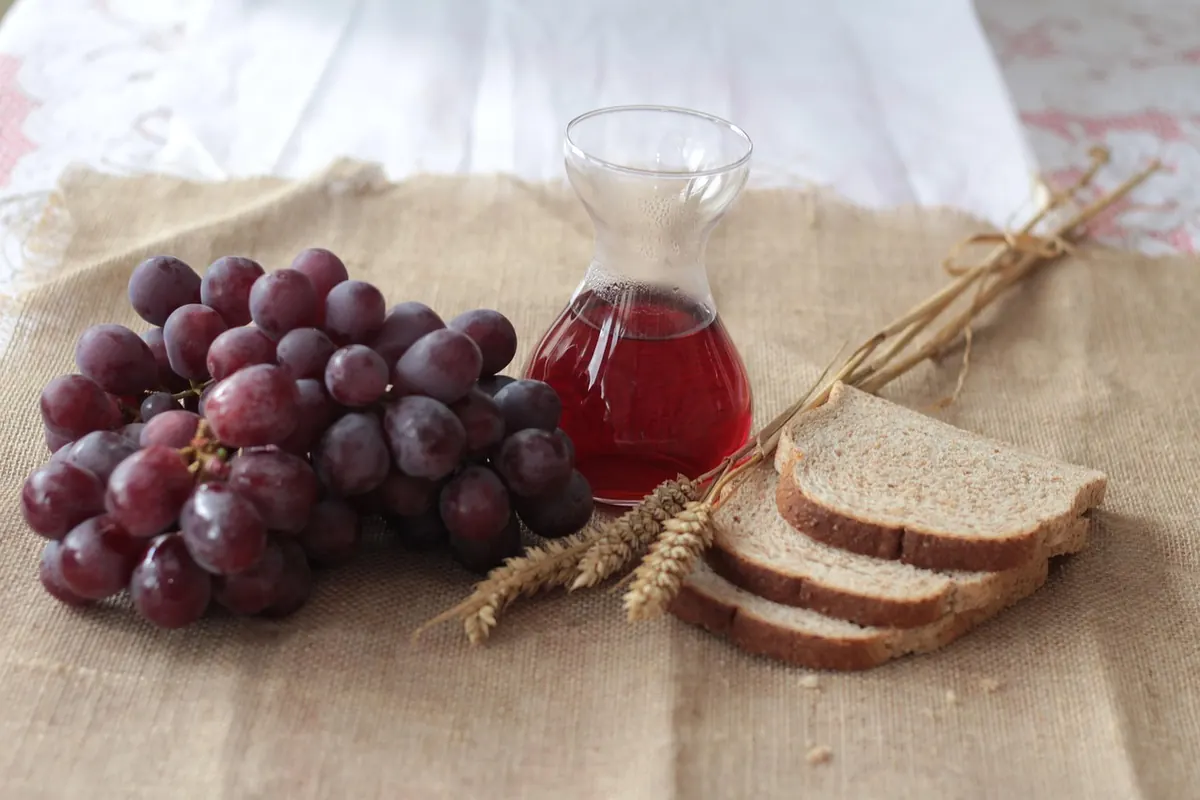
The elements are simple on purpose. Bread, usually a single loaf broken in view of the congregation, speaks of a body given and of a unity that cannot be manufactured. The cup, whether wine or juice, speaks of a covenant. Some chapels use a common cup; others pass individual cups. Both are long-standing practices, and neither is more spiritual than the other.
Paul's instruction to examine oneself gets misread as a demand to feel a certain way before approaching. It is closer to honesty than to achievement. People arrive distracted, grieving, doubting, half-awake from a night shift. They are welcome. The table is medicine for the sick, not a prize for the well.
Frequency varies more than most newcomers expect. Weekly observance builds a steady rhythm, though it can slide into autopilot if nothing else changes. Monthly is the most common pattern, often on the first Sunday, because it is easy to remember and gives the week before a natural shape. Quarterly suits chapels served by a visiting minister or a circuit preacher. Many congregations also add seasonal celebrations: Advent, Lent, Maundy Thursday, Easter, Pentecost.
Whichever you choose, consistency matters more than frequency. Publish the schedule. If you observe quarterly, announce it a week ahead so it does not arrive as a surprise. If you observe weekly, vary the readings and prayers so the words do not go flat. A table that people can plan for is a table they can prepare for.
Most of the work happens before anyone arrives. A few habits worth keeping:
Preparation is not only about supplies. Print a short liturgy so people can follow along. Read a brief passage before the distribution. Keep a stretch of silence, even fifteen seconds, so the room has space to breathe. Explain to visitors in two sentences what is happening and who may take part, since practice varies widely between traditions. Guests should not have to guess whether they are welcome at the rail. Children are best included when they begin to ask questions, or after a class has walked them through the meaning. And do not forget those who cannot come: shut-ins, the hospitalized, the homebound. A small tray, a printed order of service, and a brief visit carry the same table to a living room.
Servers should know the route before the service begins. Start at the same place each time. Keep the center aisle clear, and make sure there is a path wide enough for a wheelchair or a walker. Move slowly. If someone prays aloud during the distribution, a handheld microphone helps those at the back. Gentle music can cover the sound of trays and footsteps without turning the moment into a concert. Most of all, resist the urge to hurry. Twenty quiet seconds feel long to the person leading and short to everyone else.
Any repeated act can lose its edge. The remedy is usually small changes rather than big ones. Ask a different member to read the institution narrative each month. Use a historic prayer from another century. Sing a hymn while the elements are passed instead of playing a recording. Tie the sermon to the table rather than treating communion as an appendix. Occasionally, invite someone to say two sentences about what the bread has meant to them in a hard season. Familiarity is not the enemy; carelessness is.
If your chapel is looking for something concrete, try this sequence:
None of this is complicated, and none of it is the point. The point is a small room, a loaf, a cup, and a people who keep showing up to remember together. Good preparation simply clears the way so that nothing stands between the congregation and that quiet, ordinary gift.