Trending

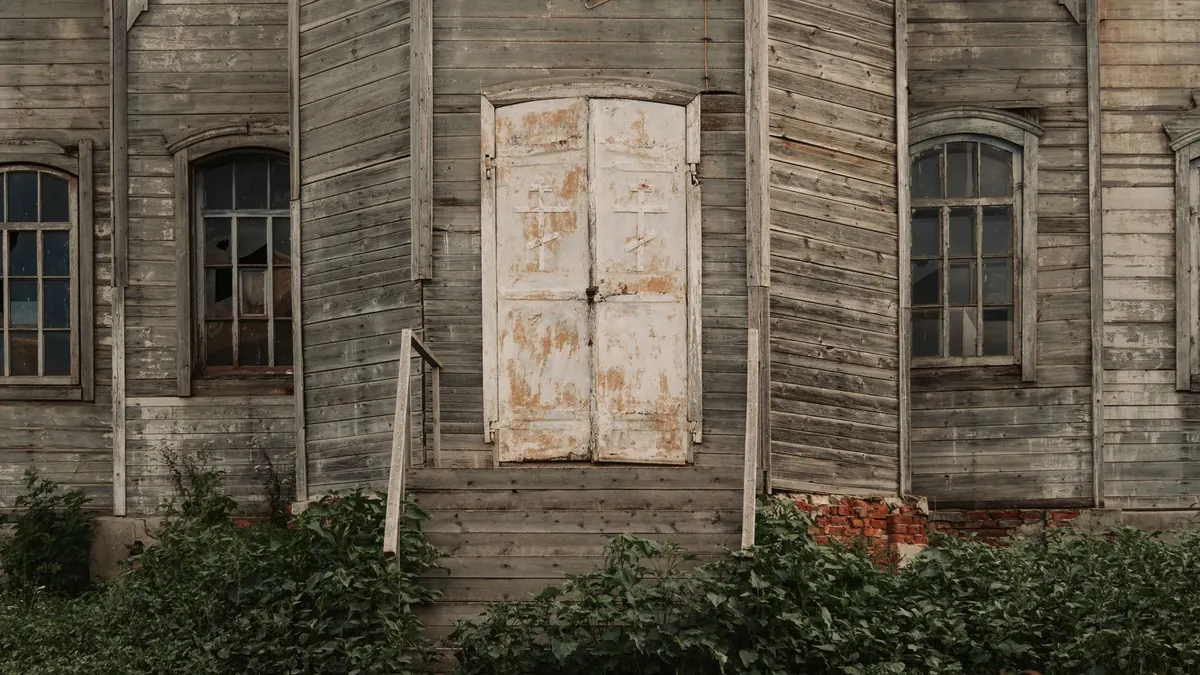
Twelve people in wooden pews. A piano that has not been tuned since Easter. Two possible song lists on the music stand, and one question underneath both of them: what will help these people sing?
That question is older than the debate it usually hides inside. Hymn sing or contemporary set? Traditional or modern? In a small chapel, the argument rarely settles anything, because the real variables are not style labels. They are the people in the room, the instruments you actually have, and the moment you are trying to carry them through.
Before you choose a single title, take an honest inventory. Who is likely to be sitting there? If most of your congregation is over seventy, a hymn they have known for fifty years asks almost nothing of them; a new chorus with a syncopated bridge asks a great deal. If your chapel sits near a university or a recovery ministry, the opposite may be true.
Ask three or four longtime members what songs they find themselves humming during the week. Ask a newer attendee what felt unfamiliar or welcoming in their first month. Then look at your resources. A solo piano, an organ, a single guitar, or a small band each shape what is possible. A hymn with four-part harmony can sound thin on one guitar. A modern anthem with a big instrumental build can fall flat without the players to carry it.
Hymns do something few contemporary songs attempt: they teach. "Holy, Holy, Holy" walks a congregation through the doctrine of the Trinity in four stanzas. "It Is Well" gives language for grief that a worshipper can borrow years later at a hospital bedside. "Come Thou Fount" admits wandering and names grace in the same breath.
They also carry muscle memory. For people who grew up singing them, a hymn is not a performance piece but a shared possession. The alto line comes back without thought. The third verse still lands.
The trade-offs are real, though. Archaic language can stop a visitor cold — "here I raise mine Ebenezer" needs either a brief explanation or a willingness to let the mystery stand. Hymn tunes often move in longer phrases that require a decent accompanist. And a steady diet of slow, stately hymns can make a service feel like a museum rather than a living room.
Contemporary songs tend to be simpler, more repetitive, and easier to learn by ear. That repetition is not laziness; it is a way of letting a truth sink in. "Goodness of God" or "10,000 Reasons" can be picked up by someone who has never sung in church, and that accessibility matters in a small chapel where every voice is audible.
They also tend to speak in first person and present tense — "I will build my life" rather than "the church's one foundation." That immediacy can be exactly right for a room full of people who need to say something out loud, not study it.
The weaknesses show up quickly. Many contemporary songs cover a narrow emotional range: gratitude, surrender, celebration. Fewer handle confession, lament, or the long arc of a life. Keys are often written for a soloist rather than a congregation, which means the melody sits too high for most men and too low for many women. And without a capable leader or a rhythm section, the song can lose its shape.
A typical pattern works well: open with something familiar and energetic, move into a song that carries the sermon theme, and close with a hymn or chorus the congregation can sing while the last prayer is offered. If your text is about God's faithfulness, "Great Is Thy Faithfulness" and "King of Kings" belong in the same service without apology.
Slower, reflective material fits here. "Be Thou My Vision," "Oceans," or "Nothing but the Blood" give space for silence. Keep the instrumentation spare and resist the urge to fill every pause.
Lean on what the family knows and loves, and ask them directly. Hymns often carry the weight better than newer songs because the room is full of people who do not attend regularly. "Amazing Grace" and "How Great Thou Art" are sturdy for a reason.
These services welcome warmth. A well-known hymn for the congregation plus one song the couple or family chose gives both tradition and personal meaning. "Come Thou Fount" and "Build My Life" pair naturally.
The most common mistake in small chapels is the abrupt jump: a solemn hymn followed immediately by an upbeat chorus in a jarring key. Solve it by pairing songs that share a theme or a melodic shape. "Amazing Grace" flows naturally into "Amazing Grace (My Chains Are Gone)" or "Your Grace Is Enough." A hymn can also be sung to a gentler arrangement, and a modern song can be led from the piano alone.
Hybrids help. "In Christ Alone" and "Cornerstone" sit comfortably in both worlds — sturdy theology in a singable modern form. They are often the bridge a divided congregation needs.
Three habits will serve you better than any style rule. First, choose songs you can lead with confidence; uncertainty in the leader spreads faster than any tune. Second, sing something familiar every week — familiarity is what makes a congregation brave. Third, judge the set by participation, not by taste. If the room is singing, the music is working. If it is not, the problem is rarely the genre.
A small chapel has an advantage larger churches have lost. You can see every face, hear every voice, and know exactly who is in the room. Choose music for those people, in that room, on that day. The hymns and the new songs will both have their turn.
Photo: neelam279 / Pixabay