Trending

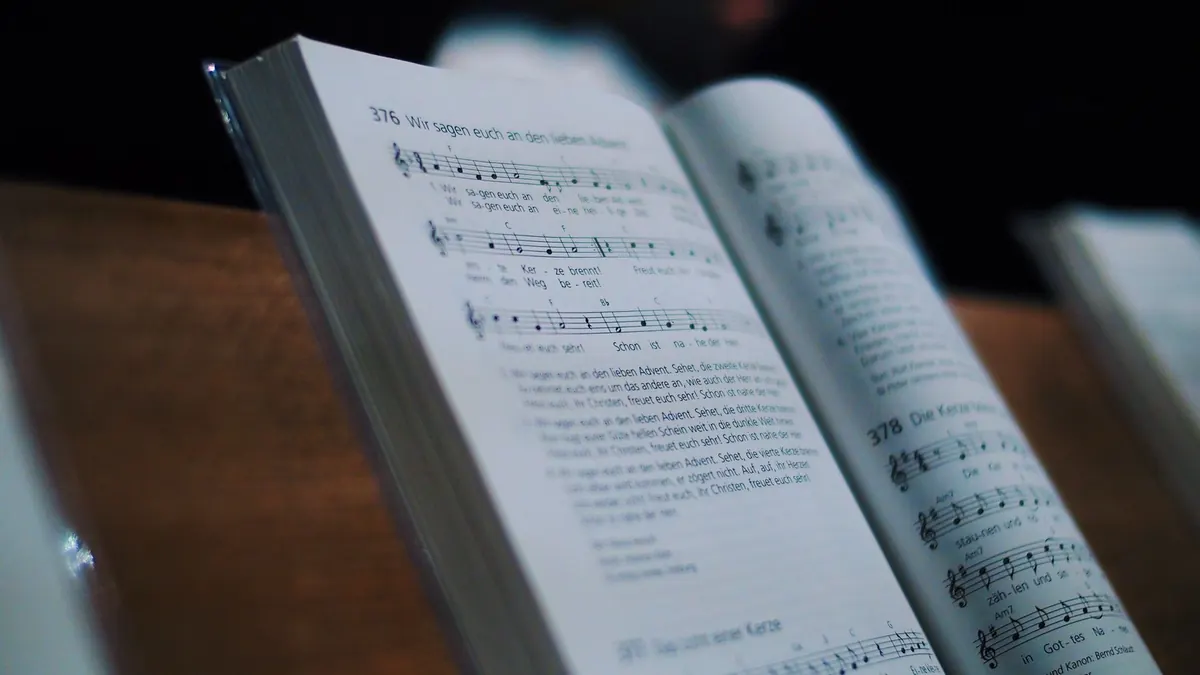
If you grew up in a chapel where the service began when the pianist sat down and ended after the last chorus, a liturgical service can feel like arriving in a country where everyone knows the customs but you. The good news is that the customs are not secret. They are meant to be learned, repeated, and shared. Liturgical worship is simply worship arranged around a steady pattern—words spoken together, Scripture read aloud, prayers offered in sequence, and a blessing sent with you at the end. That pattern is not a fence around the Spirit. It is a trellis.
Liturgy comes from Greek words for public work or public service. It is not a performance by the minister while everyone else watches. It is the shared work of the congregation. In a chapel setting, liturgical does not have to mean ornate, old-fashioned, or formal for its own sake. It means the service has a recognizable order that carries you even when your feelings fluctuate.
Think of it as a conversation with God and with one another, with set turns. A chapel can be simple—wooden pews, a piano, a printed bulletin—and still be deeply liturgical. The point is not robes or incense. The point is participation.
Most liturgical services move through four movements: we gather, we hear, we respond, and we are sent. That shape is ancient and practical. It mirrors the way faith works: God calls, we listen, we answer, we go. Specific elements vary from chapel to chapel, but the flow is usually easy to follow once you know what to look for.
The call to worship opens the service. A leader speaks a line of Scripture, often from the Psalms, and the congregation answers—sometimes with a printed response. It is not a warm-up act. It is a summons. "Come, let us worship" is both invitation and reminder that we did not invent this hour.
The invocation asks God to be present. Some chapels include a moment of silence before or after it. Newcomers can simply listen, then speak the response when it appears in the bulletin. If you miss a word, do not worry. The pattern repeats weekly, and repetition is part of how it teaches.
The reading of Scripture holds the center. Many services include an Old Testament reading, a Psalm, an Epistle reading, and a Gospel reading. Responsive reading—where leader and congregation alternate lines—keeps the text from being only a monologue. It also plants words in your mouth before you have time to argue with them. If you are new, follow along; the words are usually printed or projected.
The sermon then interprets and applies the text. In a liturgical chapel, the sermon is not the whole service. It is one part of a larger conversation that began before you arrived and will continue after you leave.
After hearing, the congregation responds. This may include a prayer of confession, a declaration of forgiveness, the Lord's Prayer, a creed, a hymn, the offering, and sometimes the passing of the peace. Confession names what is true about us. Assurance names what is true about God. The creed—whether the Apostles' Creed or another historic statement—is not a test of private opinion but a family sentence spoken together.
If your chapel offers communion, you may see the same pattern: bread and cup, words of institution, prayer, and sharing. You can participate as your tradition and conscience allow. Watching is not failing. It is learning.
Liturgy does several things at once. It makes worship something we do together rather than something we consume. It puts words in our mouths when we are tired, distracted, or grieving. It teaches theology through repetition—not just information but formation. It also protects against the personality of the service leader. On a week when the music is thin or the sermon is not your favorite, the structure still carries the gospel.
You do not need to know everything. Start with attention. Here are practical steps that help first-time visitors:
Standing, sitting, kneeling, folding hands—these are not magic. They are physical reminders that the body participates. If kneeling is difficult, sit. If you do not know when to stand, watch the front or the bulletin. Nobody is grading you. The goal is not perfect execution. It is a willing heart.
The benediction is not a closing prayer. It is a blessing spoken over the people. It often draws from Numbers 6:24–26 or 2 Corinthians 13:14. The leader may raise hands or speak plainly: "The Lord bless you and keep you." The congregation receives it. Then comes the dismissal—"Go in peace to love and serve the Lord."
The service ends, but the worship continues in the parking lot, the kitchen, the office, the hospital room. A benediction does not send you away from God. It sends you out with God.
If you are visiting a liturgical chapel for the first time, try this: read the Scripture passages before you arrive if they are listed. Choose one line from the call to worship or responsive reading and carry it with you. Stay for coffee if you can, and ask someone what keeps them coming back. You will likely hear stories about words that held them through hard seasons.
Liturgical worship is not about getting the motions right. It is about being formed by the gospel, week after week, in the company of others. Come as you are. The pattern will meet you there.
Photo: Jens Mahnke / Pexels